

trenaduquette
About trenaduquette
Advancements in the Availability and Understanding of Modafinil in France
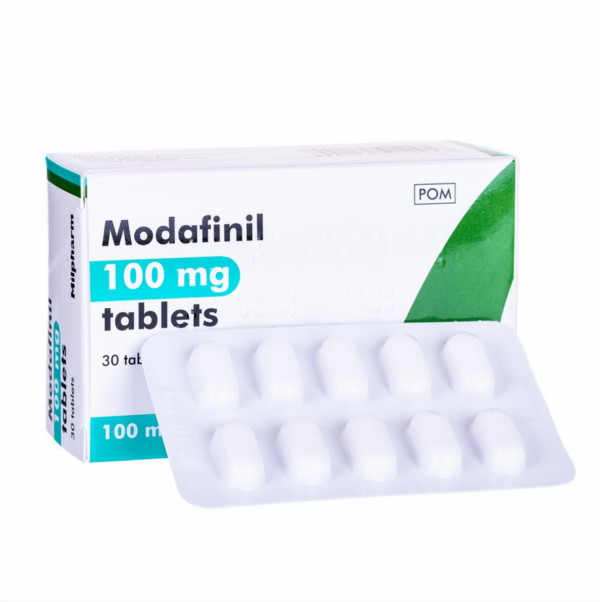
In recent years, the landscape surrounding the availability and understanding of modafinil in France has undergone significant changes. This medication, primarily used for the treatment of narcolepsy, sleep apnea, and shift work sleep disorder, has gained attention for its off-label use as a cognitive enhancer. As a result, the French market has seen a notable evolution in the accessibility, regulation, and perception of modafinil, reflecting broader trends in pharmaceutical advancements and societal attitudes toward cognitive enhancers.
Understanding Modafinil
Modafinil, a wakefulness-promoting agent, was first approved for use in France in the late 1990s. If you have any questions relating to exactly where and how to use buymodaonline, you can contact us at the web page. It functions by altering neurotransmitters in the brain, particularly dopamine, to enhance alertness and cognitive function. Traditionally prescribed for sleep disorders, modafinil has garnered interest from various populations, including students, professionals, and individuals seeking to improve their cognitive performance. The growing demand for cognitive enhancers has prompted discussions about the ethical implications, safety, and long-term effects of using such medications for non-medical purposes.
Regulatory Framework
France has a stringent regulatory framework governing the prescription and distribution of pharmaceuticals, and modafinil is no exception. Initially, modafinil was available only through prescription, which ensured that its use was monitored by healthcare professionals. However, with the increasing popularity of modafinil for cognitive enhancement, there has been a push for more accessible options. Recent advancements include the emergence of online pharmacies and platforms where individuals can obtain modafinil without a prescription, although this raises concerns about the quality and authenticity of the products being sold.
Online Availability
The rise of online pharmacies has revolutionized how individuals in France can access modafinil. Many users now turn to the internet to purchase the drug, often seeking it for its perceived cognitive benefits. This shift has led to a proliferation of websites offering modafinil, some of which are legitimate while others may sell counterfeit or substandard products. The ease of access has sparked debates about the need for stricter regulations and quality control measures to protect consumers.
Moreover, the online market has also facilitated the sharing of information and experiences among users, creating a community that discusses dosages, effects, and personal anecdotes related to modafinil use. This democratization of information has empowered individuals to make informed choices, but it also poses risks, as not all information shared online is accurate or safe.
Societal Attitudes
The societal attitudes toward modafinil in France are evolving. While there remains a stigma associated with the use of prescription medications for cognitive enhancement, an increasing number of people view modafinil as a legitimate tool for improving productivity and mental performance. This shift can be attributed to the competitive nature of modern life, where individuals are constantly seeking ways to optimize their performance, whether in academia or the workplace.
Additionally, the portrayal of modafinil in popular culture, including films and literature, has contributed to its allure. The depiction of modafinil as a ”smart drug” that can unlock human potential resonates with many, leading to a broader acceptance of its use beyond traditional medical contexts.
Research and Evidence
As interest in modafinil grows, so does the body of research surrounding its effects and efficacy. Studies have shown that modafinil can enhance cognitive functions such as memory, attention, and executive function, particularly in sleep-deprived individuals. However, the long-term effects of modafinil use for cognitive enhancement remain under investigation.
Recent research has also focused on the ethical implications of using modafinil as a cognitive enhancer. Discussions surrounding fairness, pressure to perform, and the potential for dependency are becoming more prevalent. In France, where there is a strong emphasis on work-life balance and mental health, these discussions are particularly relevant.
Future Directions
Looking ahead, the future of modafinil in France is likely to be shaped by ongoing research, regulatory changes, and societal attitudes. As more studies emerge, there may be a clearer understanding of the benefits and risks associated with modafinil use. This could lead to adjustments in how the medication is prescribed and regulated, potentially allowing for greater access while ensuring safety and efficacy.
Furthermore, as the conversation around cognitive enhancement continues, there may be a shift in public perception. If modafinil is widely accepted as a legitimate tool for improving cognitive function, we could see an increase in its use, both medically and recreationally. This, in turn, may prompt further discussions about the ethical considerations of cognitive enhancement, including issues of equity and access.
Conclusion
In conclusion, the advancements in the availability and understanding of modafinil in France reflect a complex interplay of regulatory changes, societal attitudes, and ongoing research. As modafinil becomes more accessible through online platforms and as its use for cognitive enhancement gains acceptance, it is essential to navigate the associated risks and ethical dilemmas. The future of modafinil in France will depend on a balanced approach that prioritizes safety, informed decision-making, and a nuanced understanding of the implications of cognitive enhancement in contemporary society. As we move forward, continued dialogue and research will be crucial in shaping the role of modafinil in the lives of individuals seeking to enhance their cognitive abilities.
No listing found.