

raleighchestnu
About raleighchestnu
Old skool Bedroom
 The real estate market does not move in one direction nationwide. It never has. What is happening in Austin is not what is happening in Cleveland. What is true for a three-bedroom in the suburbs of Dallas has almost nothing to do with a two-bedroom in San Francisco. Before you do anything else, narrow your focus to the specific market you are shopping in and stop reading national headlines as if they apply to you personally.
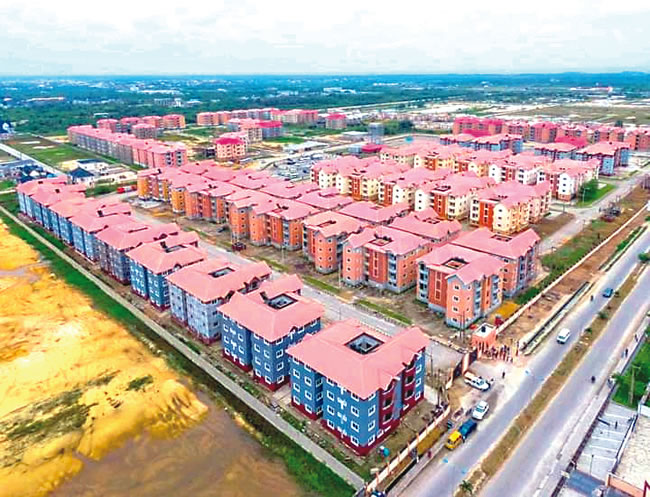 Home prices at the national level have remained well above their pre-pandemic levels even as sales volume collapsed. The reason is supply. A seller who bought in 2021 at a three percent rate has nowhere affordable to go if they list today, which means the correction that many analysts were expecting simply did not materialize the way the data suggested it should.

 Before you look at a single listing, get your financing fully sorted. Not a rough estimate. Not a verbal confirmation from a loan officer you met once. A full pre-approval based on verified income, tax returns, bank statements, and a hard credit pull. In this market, a seller who receives an offer without that documentation will not take it seriously.
The inspection is where the marketing copy meets reality. Schedule it and attend in person if at all possible. A good home inspector will walk you through what they are finding as they go, and those few hours will shape your understanding of the home for as long as you own it.
 Negotiation works best when it is quiet and well-prepared. Before you make an offer, find out how long the listing has been active. A listing that has been sitting for six weeks with no price adjustment is a fundamentally different negotiation than a property that is drawing multiple showings every day.
The timing question, whether to buy now or wait for a better moment, is the one that trips up more buyers than any other single factor. No one consistently times the real estate market. The more useful question is not whether now is the right time in the abstract; it is whether the home works for your actual life for the next five to seven years.
 Real estate rewards preparation more than it rewards timing. The market does not wait for the ideal moment, and neither should buyers who have done the work. Check up-to-date property listings and see whether what is available matches what you have been planning for.
No listing found.